
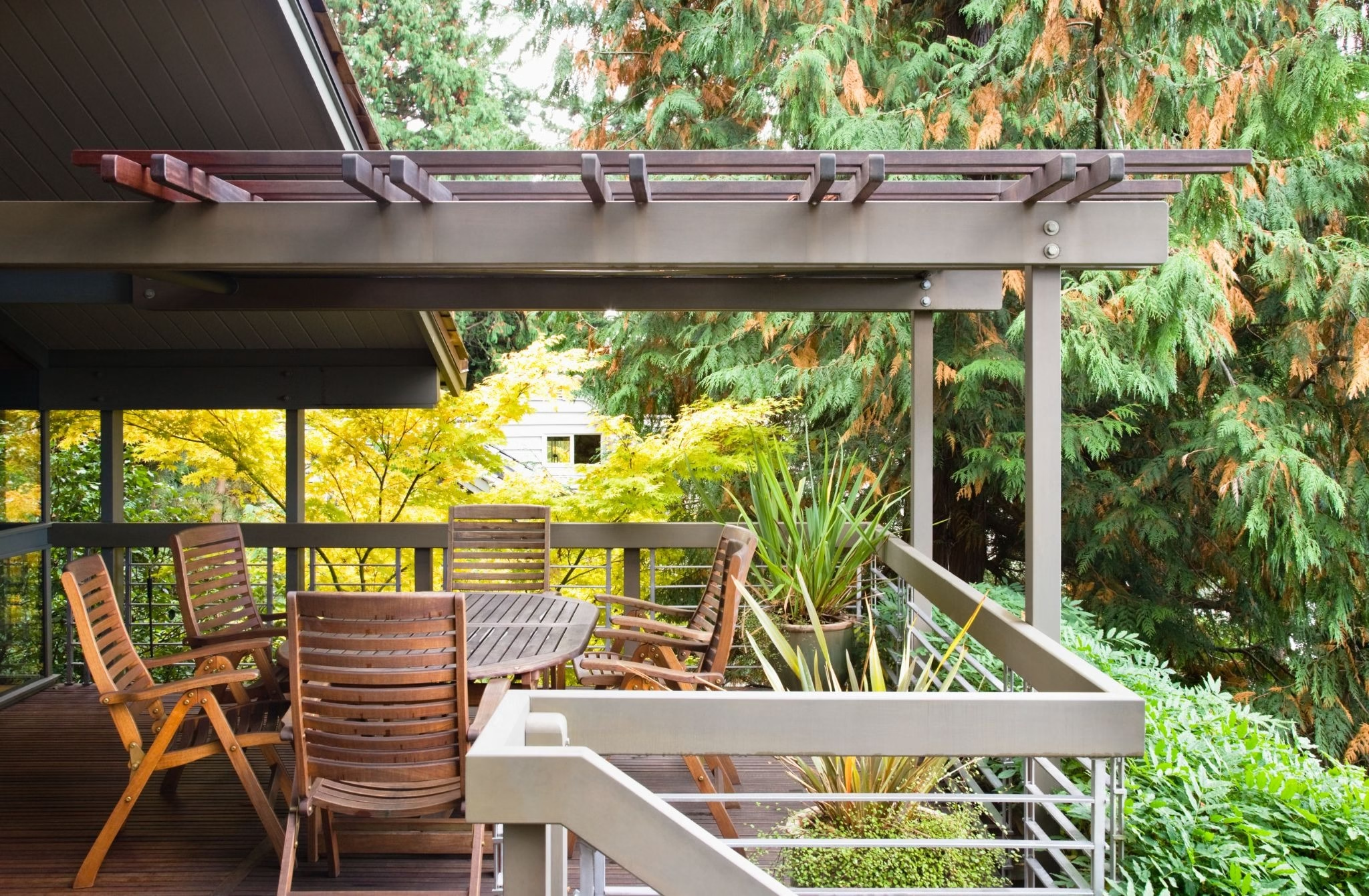
An uncovered patio often becomes unusable when heat, rain, or harsh sunlight arrives. That limitation can leave valuable outdoor space sitting empty for much of the year. A well-designed patio cover makes the area more comfortable and practical for everyday activities. It can also protect outdoor furnishings while improving the home's overall appearance and usability. For homeowners seeking lasting improvements, covered outdoor spaces can provide value beyond simple shade.
A patio should offer more than extra outdoor square footage. The right overhead structure can improve how often that space gets used. It can also reduce weather exposure and support more comfortable daily routines. These advantages help explain why patio covers can provide worthwhile long-term value.
Outdoor areas become more useful when homeowners can rely on them throughout changing conditions. Overhead shelter makes patios suitable for meals, conversations, and everyday relaxation. It also creates a smoother connection between indoor living areas and the surrounding property. These practical improvements help homeowners get more everyday use from existing outdoor space.
Direct sunlight can quickly make an uncovered patio uncomfortable during warmer parts of the day. A roof structure provides shade that reduces exposure to intense heat and bright sunlight. Families can spend more time outdoors without constantly moving furniture toward cooler areas. Covered spaces also create comfortable settings for dining, reading, entertaining guests, or relaxing after work. Homeowners can furnish these areas around their routines instead of temporary weather conditions. That added comfort makes the patio feel like a genuine extension of indoor living space.
Weather can interrupt outdoor plans quickly when a patio lacks dependable overhead protection. A covered structure provides shelter from light rain while reducing exposure to intense sunshine. Homeowners gain more flexibility when planning meals, gatherings, and other outdoor activities. The protected area can remain useful even when conditions change unexpectedly during the day. Some designs also help direct rainfall away from seating areas and frequently used walkways. As a result, changing weather has less control over how homeowners enjoy their outdoor space.
Outdoor furnishings face constant exposure to sunlight, moisture, dirt, and changing temperatures. Those conditions can gradually damage surfaces and shorten the useful life of expensive patio items. Adding overhead protection reduces exposure without requiring homeowners to move everything indoors after each use. That practical advantage can lower replacement needs while keeping the outdoor area more presentable.
Outdoor furniture can tolerate weather, but continuous exposure still causes gradual wear and fading. Strong sunlight may discolor fabrics while repeated moisture can affect wood and metal surfaces. Covered seating receives less direct exposure to conditions that accelerate cosmetic and structural deterioration. Cushions can also stay cleaner because less rain and airborne debris reach protected areas. Homeowners may spend less time cleaning furniture or replacing pieces damaged by prolonged exposure. These savings can add up, especially in areas with quality furnishings or large seating arrangements.
Decking and patio surfaces also benefit from reduced exposure to direct weather conditions. Constant sunlight can contribute to fading, while repeated moisture may encourage staining and surface wear. A roof reduces the amount of rain and sunlight reaching frequently used portions below. That protection can help certain surface materials maintain their appearance longer. Maintenance requirements still depend on the material, climate, drainage, and overall installation quality. However, overhead coverage can reduce some environmental stress affecting outdoor flooring and finishes.
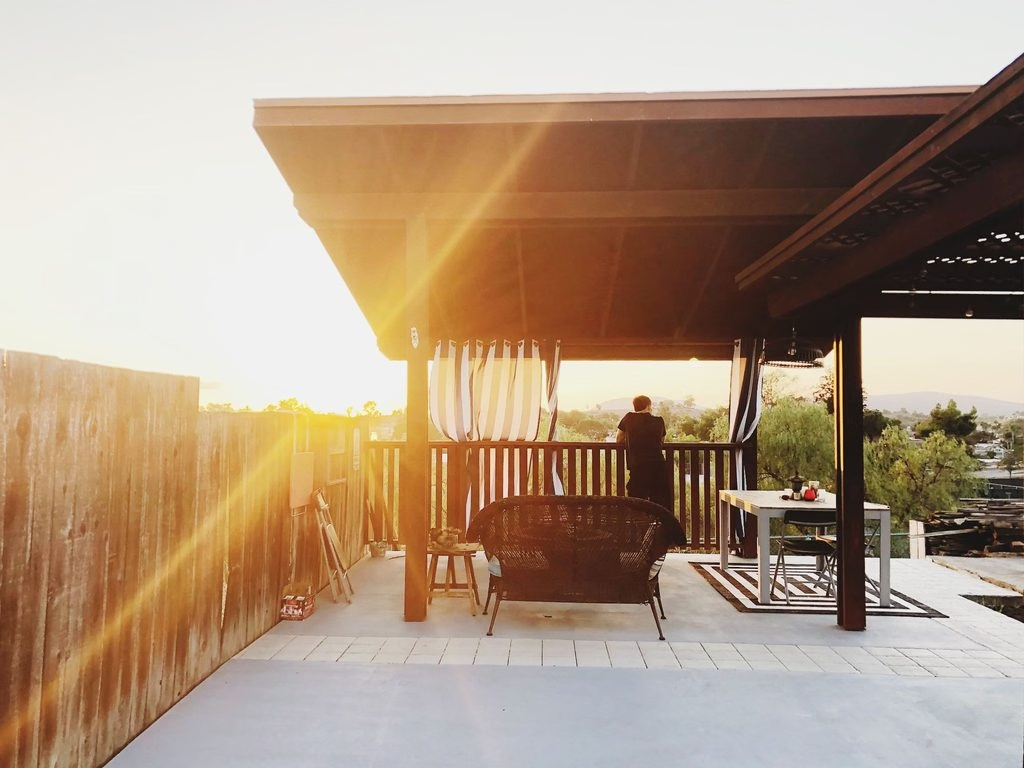
Exterior improvements often influence how homeowners and visitors experience a property before entering it. A thoughtfully designed roof can make an outdoor area appear more complete and intentional. The structure can also complement existing architectural details instead of looking like an unrelated addition. Careful design choices help the covered area blend naturally with the rest of the home.
An outdoor structure works best when its proportions match the home's architectural character. Rooflines, posts, finishes, and materials can coordinate with existing exterior features for visual consistency. Matching every surface exactly is unnecessary when complementary materials create a balanced appearance. Good design also considers window placement, doors, walkways, landscaping, and views from inside. These details help prevent the new structure from overwhelming other features around the property. A coordinated installation can make the outdoor area appear planned rather than added afterward.
Open patios sometimes lack clear boundaries between gathering areas, landscaping, and surrounding yard space. An overhead structure gives the seating area a stronger sense of purpose and definition. Furniture arrangements become easier because the covered footprint naturally establishes a functional outdoor zone. Lighting and fans can also become integrated features when the structure supports suitable installations. Decorative details can further connect the space with nearby exterior materials and landscaping choices. The finished area often feels more organized because each feature has a clearer relationship with its surroundings.
Home improvements deliver better value when they combine practical use with lasting visual appeal. A sheltered outdoor area can offer both benefits without changing how interior rooms function. Buyers often notice exterior spaces that already feel comfortable, finished, and ready for regular use. These qualities can make a well-planned outdoor addition valuable when presenting a property for sale.
Many buyers consider usable outdoor areas when comparing homes with otherwise similar features. A sheltered patio gives them a defined space for dining, relaxing, or entertaining guests. Buyers can understand the area's purpose immediately without planning another major exterior project themselves. That convenience may make the property more appealing during a competitive home search. Attractive construction also signals that homeowners invested in the usability of their exterior space. Although returns vary, practical outdoor improvements can strengthen a property's overall market presentation.
An outdoor addition provides greater long-term value when its construction suits the existing property. Durable materials can withstand regular exposure while maintaining their appearance with appropriate care. Proper installation also helps prevent avoidable concerns involving drainage, stability, and structural connections. Homeowners should consider quality alongside appearance when comparing outdoor roof system options. A poorly planned addition can require repairs that reduce the project's financial benefits. Quality construction costs more initially, but dependable performance can justify that difference over time.
Sunlight does more than make an outdoor seating area uncomfortable during hot afternoons. Direct solar exposure can also heat nearby doors, windows, walls, and interior living spaces. Strategic shade may reduce some of that heat before it reaches the home's interior. The actual benefit depends on placement, orientation, materials, climate, and surrounding property features.
Windows and glass doors can admit considerable heat when strong sunlight reaches them directly. A properly positioned roof can shade nearby openings during certain periods of the day. Reduced solar exposure may help adjoining rooms stay more comfortable during warm conditions. Air-conditioning systems may then face less heat entering through those protected exterior areas. However, homeowners should not expect every design to produce identical energy savings. Professional planning can identify dimensions and placement that support comfort and useful exterior shading.
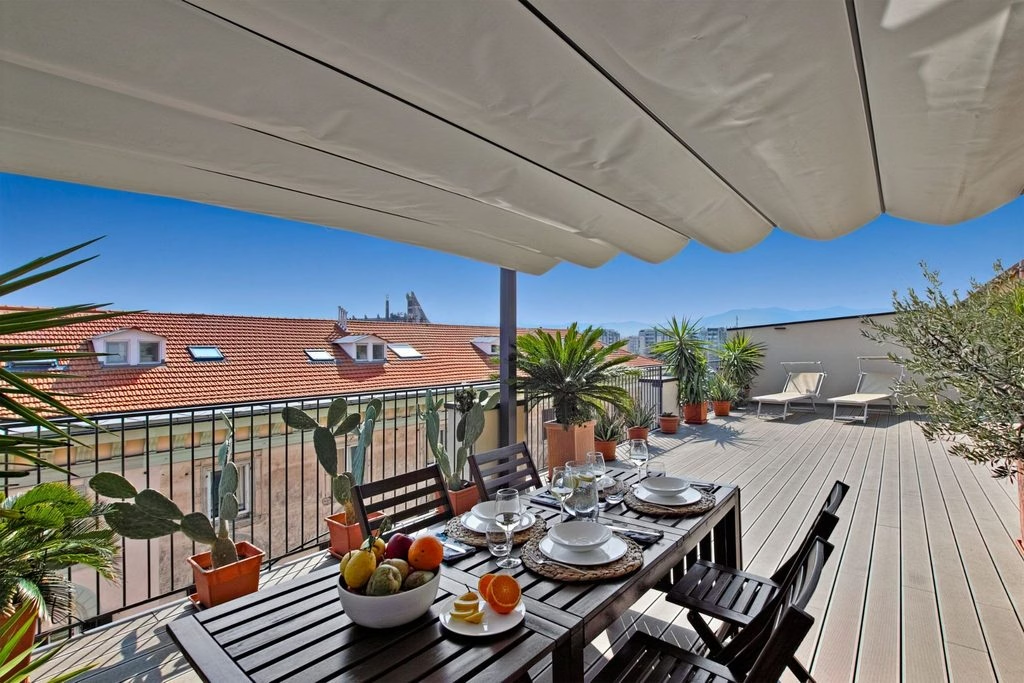
Unshaded patios can become extremely warm after hours of direct sunlight and accumulated heat. Heated surfaces may contribute to uncomfortable conditions around frequently opened doors and adjacent rooms. Overhead shade limits direct solar exposure across part of the outdoor surface. Cooler surrounding surfaces can make transitions between indoor and outdoor areas more comfortable. The effect varies because concrete, pavers, wood, and composite materials respond differently to heat. Still, controlling direct sunlight can improve comfort without relying entirely on powered cooling equipment.
Entertaining outdoors becomes easier when weather exposure does not control every gathering or meal. Sheltered areas provide dependable settings where homeowners can arrange furniture and serving spaces more permanently. Guests also gain a comfortable gathering place without crowding the home's primary living areas. Thoughtful planning can make the space suitable for casual evenings and larger social occasions.
Eating outside becomes less appealing when intense sunlight or unexpected rain disrupts the meal. A covered dining area reduces those interruptions and creates a dependable place for regular use. Tables and chairs can stay arranged without constant relocation as the sun moves. Homeowners can also add appropriate lighting for dinners that continue after daylight fades. Ceiling fans may improve airflow when the structure and electrical installation safely support them. These practical additions can make outdoor meals a more regular part of household life.
Parties often work better when guests have several comfortable places to gather and talk. A sheltered patio provides another social zone without requiring permanent changes to interior rooms. Guests can move between indoor and outdoor areas while remaining close to food and conversation. The defined space also helps homeowners organize seating before visitors arrive. Appropriate lighting can keep the area functional when gatherings continue into the evening. That flexibility makes the investment useful for everyday family time and occasional larger events.
A basic roof provides shade, but thoughtful features can make outdoor space considerably more useful. Homeowners can choose additions based on their routines rather than copying another property's design. Electrical access, lighting, airflow, and privacy features can support different ways of using the area. Careful customization adds practical value without requiring features that provide little everyday benefit.
Outdoor activities don't have to end when natural daylight disappears in the evening. Integrated lighting can make dining, conversation, reading, and other activities comfortable after sunset. Permanent fixtures also reduce reliance on temporary lamps or extension cords in walkways. Homeowners can select lighting based on brightness needs and the atmosphere they want to create. Electrical work should follow applicable safety requirements and suit the structure's intended design. Well-planned illumination increases usable hours and makes the outdoor area more convenient year-round.
Shade reduces direct sunlight, but warm weather can still make outdoor spaces feel uncomfortable. Ceiling fans can improve air movement when the roof structure supports their safe installation. Screens can also help where insects regularly interfere with outdoor activities. Some systems can also increase privacy without completely blocking surrounding views. These features work best when homeowners choose them based on the actual conditions around their property. Practical customization can produce greater everyday value than decorative upgrades that rarely serve a purpose.
An outdoor structure's performance depends heavily on planning and construction quality. Attractive materials can still create problems when drainage, connections, or structural support receive inadequate attention. Professional patio cover installation addresses these technical considerations before they become expensive problems. Careful craftsmanship can protect the new addition and the surrounding property.
Outdoor construction involves more than selecting posts, roofing materials, and an appealing finished design. Installers must consider drainage, attachment points, structural loads, dimensions, and existing property conditions. Poor planning can direct rainwater toward unwanted areas or create weaknesses within the finished structure. Local requirements may also affect permits, setbacks, construction methods, or other project details. Experienced professionals can identify relevant considerations before construction progresses too far for simple adjustments. Careful preparation reduces surprises and gives homeowners clearer expectations for the completed outdoor area.
Installation quality affects how well an outdoor roof performs after years of regular exposure. Secure connections and suitable materials help the structure handle conditions anticipated for its location. Proper drainage details also reduce the chance of water collecting where it could cause damage. Experienced installers can account for manufacturer specifications and structural requirements during each project stage. Homeowners should review credentials, warranties, project scope, and previous work before selecting a contractor. Strong craftsmanship can protect the investment while reducing avoidable repair costs later.
Your outdoor area should provide dependable space for everyday living, not sit unused as the weather changes. A well-planned cover gives you more opportunities to dine, relax, entertain, and spend time outside. Choosing quality materials and skilled installation also helps that investment deliver lasting practical value. Start planning a covered space that works better for your home and the way you live.
Give your next outdoor project a better starting point. Browse the Irvine Fence Inc. blog for helpful ideas, planning insights, and practical property advice.

