
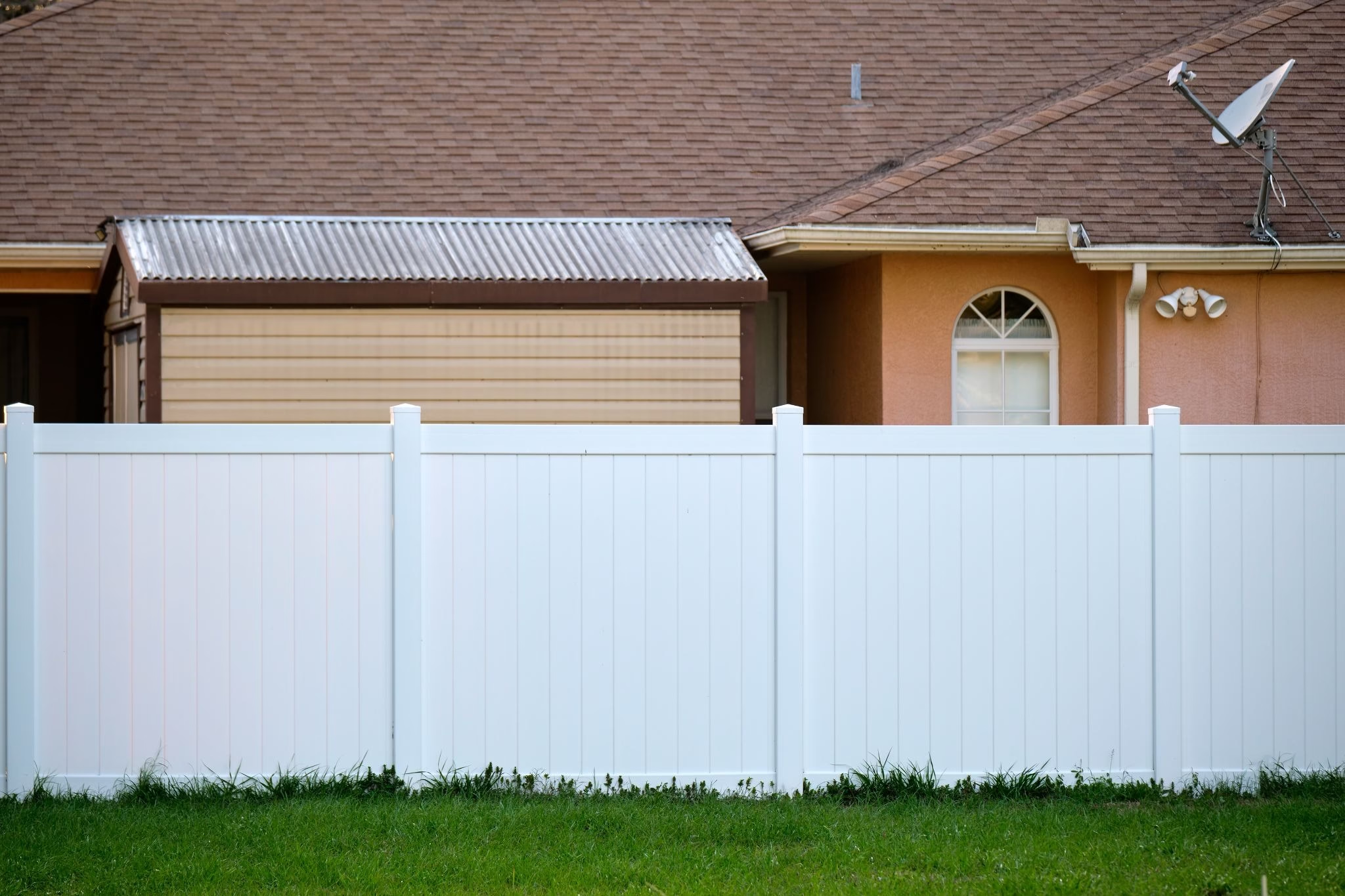
Choosing a fence involves more than deciding where your property ends. Homeowners want privacy, security, attractive surroundings, and materials that will not demand constant attention. Vinyl fencing meets many of these needs through durable PVC-based components designed for residential boundaries. It offers low maintenance, moisture resistance, flexible privacy options, and a clean appearance. Understanding these benefits can help you decide if vinyl fits your property and long-term plans.
Homeowners often choose vinyl fencing because it combines practical performance with relatively simple upkeep. Unlike some traditional materials, it doesn't require regular protective coatings. Its durability, appearance, and design flexibility make it suitable for many residential settings.
Residential fencing remains outdoors through rain, sunlight, wind, and changing temperatures. Vinyl is designed to handle routine weather exposure without rusting or rotting. It also does not absorb moisture like unfinished or poorly protected wood can. That resistance helps reduce problems linked to decay and water exposure. Product quality still matters because vinyl formulations and construction methods can vary. Properly selected materials provide a dependable starting point for a long-lasting residential fence.
Several factors influence how well vinyl fencing performs over time. Material quality affects how panels respond to sunlight, temperature changes, and regular outdoor exposure. Installation also matters because post depth and spacing contribute to overall stability. Soil movement, severe weather, falling branches, and accidental impacts can damage fence sections. Occasional inspections help homeowners catch loose hardware or damaged components before problems grow—good materials and careful installation support better performance throughout the fence's usable life.
The right fencing material can reduce upkeep while improving how your property functions. Vinyl offers several practical advantages that become especially valuable throughout years of homeownership. Those strengths become clearer when you consider how the material performs in everyday residential settings.
Fence maintenance can become another recurring job on an already crowded home maintenance schedule. Vinyl removes several tasks associated with preserving wood and certain metal fencing materials. Most homeowners can keep it looking presentable with straightforward cleaning and occasional inspections.
Vinyl fencing generally needs little routine maintenance compared with many traditional fence materials. Its color comes from the manufactured material, so the surface does not require regular painting. Homeowners also avoid the recurring staining and sealing commonly associated with wood fences. That means fewer weekends spent preparing surfaces and applying protective finishes. The material can still become dirty from soil, pollen, lawn work, and outdoor exposure. However, cleaning is usually much simpler than refinishing an entire fence.
Outdoor surfaces naturally collect dirt, grass clippings, pollen, and other debris. A garden hose can often remove loose buildup from vinyl panels and posts. Mild soap and water may help when rinsing alone doesn't remove stubborn grime. Homeowners should follow manufacturer recommendations before using stronger products or pressure-washing equipment. Regular cleaning also creates an opportunity to inspect gates, hardware, posts, and panels. That simple routine helps preserve a neat appearance without creating a demanding maintenance schedule.
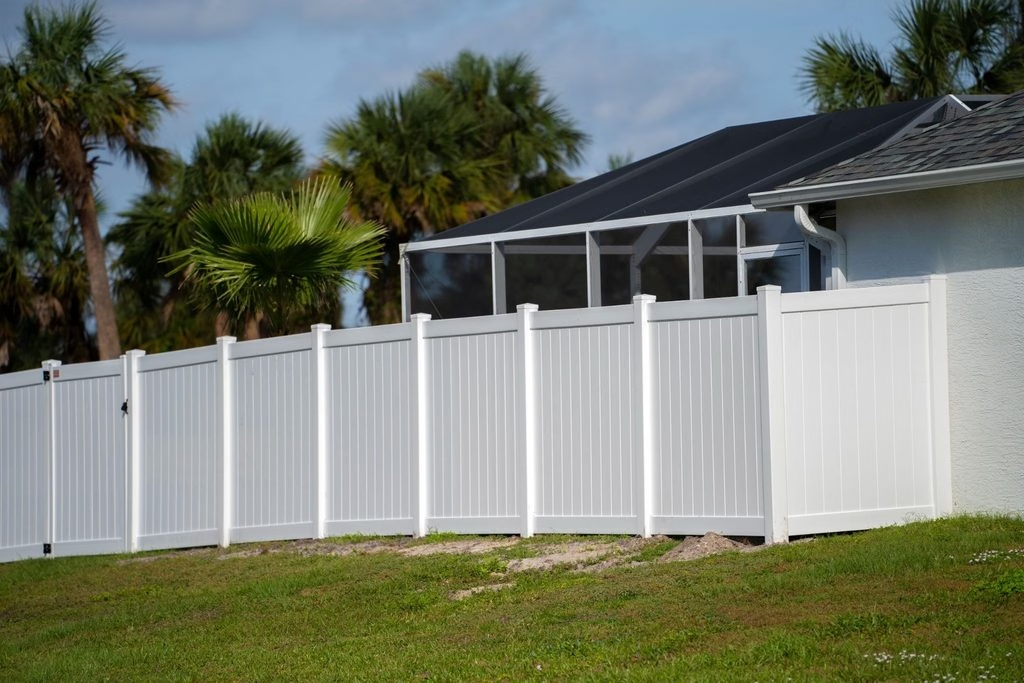
Privacy often influences how homeowners use patios, pools, gardens, and backyard gathering areas. Vinyl fencing comes in configurations ranging from open pickets to solid privacy panels. This flexibility lets homeowners control visibility while maintaining a style that suits their property.
Solid panels can provide strong visual privacy by blocking direct sightlines into a yard. Taller designs work particularly well around patios and areas where homeowners want greater separation. They can also screen neighboring yards, equipment, parked vehicles, or nearby activity. Semi-private designs offer another option when homeowners prefer some airflow and openness. Fence height should always reflect local rules and the property's actual privacy needs. A thoughtful design creates useful separation without making the yard feel unnecessarily enclosed.
Not every property boundary needs the same level of privacy. A backyard may benefit from solid panels, while a front yard may suit an open picket design. Semi-private panels provide a useful middle ground between those choices. Decorative lattice sections can also reduce the visual weight of taller fencing. Combining compatible styles helps homeowners address different needs across one property. Careful planning keeps those variations connected, rather than making the fence look mismatched.
Fencing covers enough visual space to shape a property's overall appearance. Vinyl provides consistent surfaces and defined lines that work with many architectural and landscaping styles. Homeowners can choose among different heights, profiles, colors, and decorative details.
A clean fence can complement maintained lawns, gardens, siding, and outdoor living areas. Vinyl provides a uniform finish without the peeling paint that can develop on neglected painted surfaces. It also avoids uneven weathering that can change the appearance of exposed wood. Manufacturers offer traditional white fencing, along with other colors and textured finishes. Some styles resemble painted or natural wood while retaining vinyl's maintenance advantages. Selecting a finish that suits the home helps the fence feel connected to the overall property.
Fencing does more than separate one property from another. It can visually define gardens, lawns, patios, pools, driveways, and recreational areas. Clear boundaries often make outdoor spaces feel more organized and intentional. Gates can also guide visitors toward appropriate entrances and walking routes. However, poor placement can make smaller areas feel cramped or disconnected. Planning fence lines around existing features creates a more practical and balanced yard layout.
A residential fence can create clearer boundaries for children, pets, guests, and outdoor activities. Vinyl also provides smooth surfaces that avoid several concerns associated with aging wooden boards. Effective safety still depends on suitable fence heights, gates, hardware, and installation.
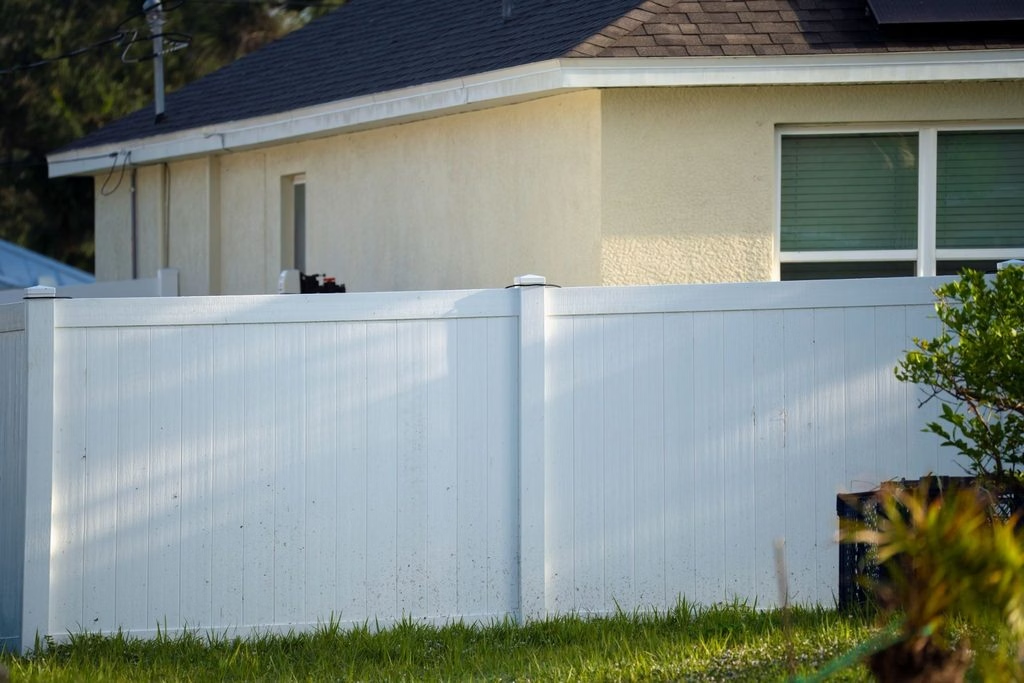
Weathered wood can develop rough areas and splinters as boards age outdoors. Vinyl does not contain wood fibers, so its surface doesn't splinter the same way. This can be useful around yards where children play often. It also makes routine gardening and lawn work near the fence more comfortable. Vinyl can still crack or break after significant impacts or other damage. Homeowners should repair damaged sections promptly when sharp or exposed edges appear.
Outdoor fencing faces more than changing weather throughout its service life. Vinyl avoids several material problems that can gradually weaken wood or metal fencing. Its manufactured composition provides practical protection against common sources of residential fence deterioration.
Vinyl does not contain wood fibers that can decay after prolonged moisture exposure. It also does not provide a food source for termites and other wood-damaging insects. Homeowners therefore avoid treating the fence specifically for these common wood-related problems. This resistance can be particularly useful near lawns, gardens, and regularly irrigated areas. Proper installation still matters because soil movement and impacts can affect the fence structure. However, rot and insect damage are not typical concerns for the vinyl material itself.
Vinyl does not rust because it has no exposed metal surface that needs corrosion protection. Rain, sprinklers, and routine yard watering therefore will not create rust across its panels. Homeowners also avoid sanding and repainting surfaces specifically to control corrosion. Hardware may still corrode, so those individual components may require occasional inspection. Choosing suitable hardware helps keep gates and connections reliable in exposed locations. This combination makes vinyl practical for homeowners seeking fewer material-related maintenance concerns.
Even high-quality fencing can perform poorly when installers overlook important property conditions. Accurate planning supports straight fence lines, stable posts, functional gates, and reliable long-term use. Homeowners should address property boundaries and installation requirements before construction begins.
Homeowners should clearly understand property lines before deciding exactly where the fence will run. Homeowners may need a property survey when boundaries are uncertain or disputed. Homeowners also need to address underground utilities before digging begins. Local permits, setbacks, fence-height restrictions, and community association requirements may apply in some areas. These requirements vary, so homeowners should confirm the rules for their specific property. Early planning can prevent expensive changes after materials or installation work have already started.
Fence stability depends heavily on correct post placement and secure installation. Installers must account for soil conditions, slopes, spacing, corners, gates, and expected wind exposure. Accurate measurements also help keep panels properly aligned across long fence runs. Gates require special attention because repeated movement stresses posts and hardware. Experienced installers can identify site challenges before they create structural or appearance problems. Professional craftsmanship helps homeowners receive the performance they expected from their chosen materials.
The right fence should complement your property while making everyday outdoor living easier. Consider your privacy needs, preferred style, maintenance expectations, and budget before choosing a design. A fence expert can assess your property and recommend options suited to its layout and conditions. With professional guidance, you can invest in vinyl fencing that serves your household well for years.
Get more from your fencing investment with advice you can use. Read the Irvine Fence Inc. blog for practical insights, project ideas, and professional fencing guidance.

