
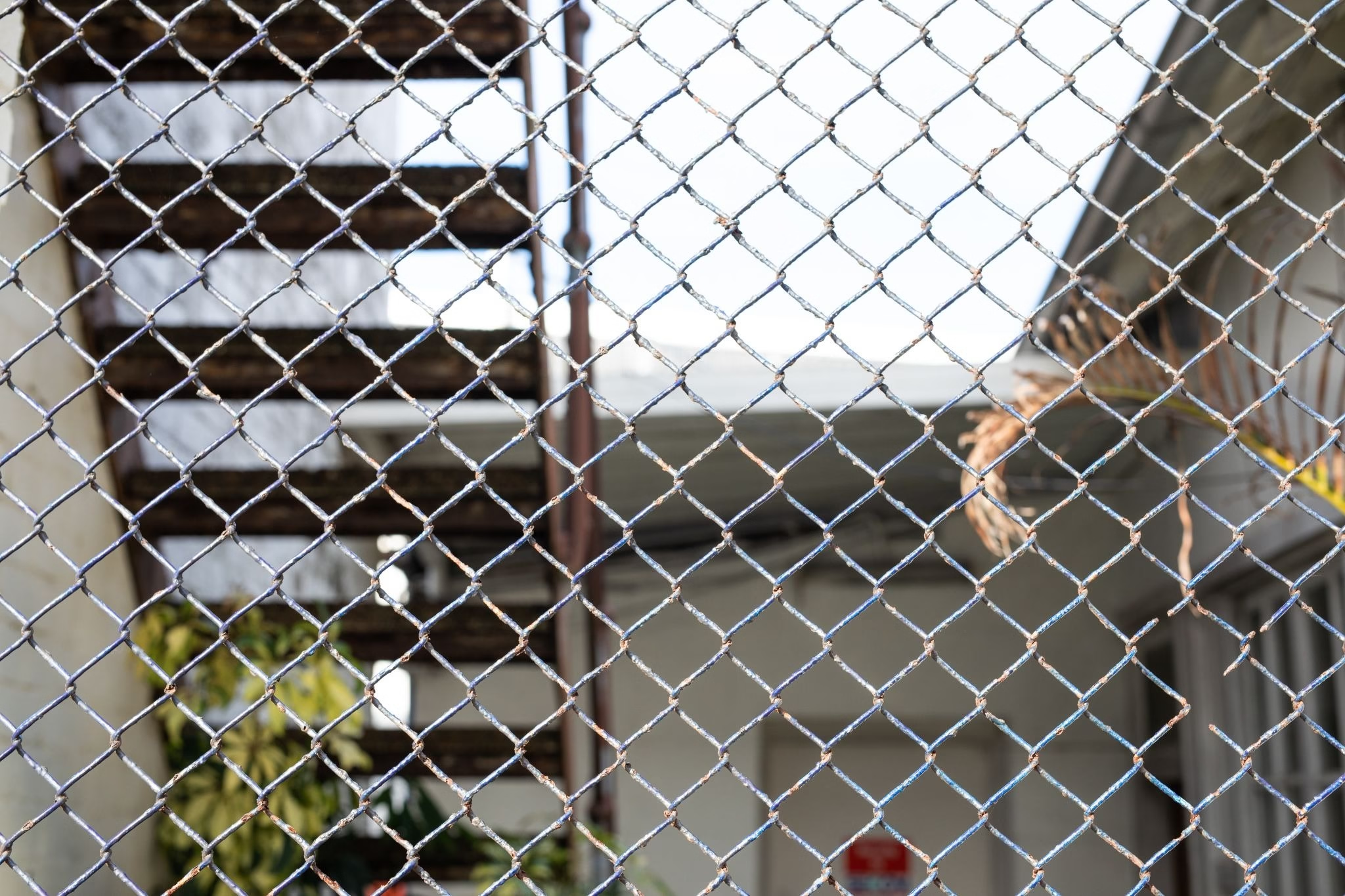
Homeowners often want a secure fence without spending heavily on decorative materials. Chain link fencing answers that need with practical strength and relatively manageable costs. Its open design also protects yards without making smaller properties feel enclosed. Still, the final price depends on height, coating, terrain, gates, and installation needs. Understanding those factors helps homeowners decide whether this fencing delivers worthwhile long-term value.
Chain link fencing generally ranks among the more affordable permanent residential fencing choices. Manufacturers use efficient materials and standardized components that keep production expenses relatively controlled. Installation also requires fewer specialized finishing steps than many wood or ornamental systems. These advantages can reduce both upfront costs and long-term ownership costs for homeowners.
Galvanized steel mesh provides substantial coverage without requiring thick individual fence panels. Posts also sit several feet apart, which limits the amount of structural material required. Standardized fittings further reduce the need for expensive custom hardware during ordinary residential installations. Homeowners can also choose common heights instead of paying for unnecessary material. Vinyl-coated mesh costs more but provides added appearance options and corrosion protection. Material choices therefore let property owners balance appearance, durability, and budget more easily.
Installers set posts, stretch mesh, attach fittings, and secure the fence along its route. That process usually involves fewer finishing stages than constructing individual wooden fence sections. Crews also avoid staining, painting, and detailed carpentry during a standard installation. Simpler construction can reduce labor hours when ground conditions are favorable. Difficult slopes or buried obstacles can still increase the required installation time. Even then, the system's straightforward structure often helps control overall project expenses.
Chain link systems rely heavily on standardized posts, rails, mesh, and connection hardware. Contractors can source these components without ordering custom pieces for most residential projects. Standard sizing can also make estimating material quantities more straightforward before installation begins. Replacement components are also easier to identify when routine repairs are needed later. Homeowners may therefore avoid some expenses associated with highly customized fencing systems. Standardization supports affordability without preventing owners from choosing useful upgrades or different finishes.
No single price accurately represents every residential chain link fence installation. Property size and project specifications can change the final estimate considerably. Site conditions also influence labor requirements before crews install posts or stretch fencing. Homeowners should examine several cost drivers before comparing proposals from local fence contractors.
Taller fencing requires more mesh and longer posts than a shorter residential boundary. Contractors may also use stronger components to support the additional height safely. A four-foot fence usually costs less than taller security-focused configurations. Backyard needs should therefore guide height instead of choosing the tallest available option. Local rules may also restrict fence heights along front yards or property boundaries. Checking those requirements early prevents costly changes after you have already ordered materials.
Longer fence lines naturally require additional mesh, posts, fittings, and installation labor. Contractors often calculate large portions of fencing estimates based on the project's linear footage. However, price per foot can vary between small and large residential projects. Fixed expenses may represent a larger percentage of a short installation's total price. Property owners should measure intended boundaries carefully before requesting detailed estimates. Accurate measurements create better budget expectations and make contractor proposals easier to compare.

Mesh gauge refers to the thickness of the wire used within the fence fabric. Thicker wire generally provides more strength but can increase material costs. Residential properties do not always require the heaviest mesh available from a contractor. A lighter option may work well for ordinary boundaries or basic pet containment. However, areas receiving frequent pressure may benefit from stronger wire and sturdier components. Choosing the right gauge prevents homeowners from paying for strength their property doesn't require.
Chain link systems come in several finishes, not just one standard configuration. Each option creates different upfront costs, maintenance needs, and visual results. Homeowners should compare those differences against their property's exposure and expected ownership period. Spending slightly more initially can sometimes reduce maintenance or replacement expenses later.
Galvanized fencing uses a protective zinc coating that helps steel resist corrosion. It remains a common choice because the material combines durability with economical pricing. The metallic appearance also works well where function matters more than decorative styling. Routine cleaning usually handles most maintenance needs during normal residential use. You can often repair damaged sections without replacing the entire fence line. Those characteristics make galvanized fencing attractive for homeowners focused primarily on dependable value.
Vinyl-coated chain link offers a softer residential appearance than exposed galvanized metal. Common dark finishes can also help fencing blend with landscaping and outdoor surroundings. The coating provides another barrier between the steel and moisture or environmental exposure. However, coated materials generally cost more than basic galvanized alternatives. Homeowners should keep that premium in mind when appearance matters most in visible yards. Paying extra may be worth it when the finish complements the home's exterior design.
The property itself can affect installation costs as much as fence specifications. Flat, accessible yards generally allow crews to work more efficiently than difficult sites. Rocky soil, steep grades, vegetation, and limited access can increase labor requirements. Identifying those conditions beforehand helps homeowners avoid unrealistic expectations about advertised fencing prices.
A sloped yard does not automatically prevent homeowners from choosing chain link fencing. Flexible mesh follows gradual grade changes more easily than rigid panels. Steeper areas may still require careful adjustments to maintain consistent coverage near ground level. Installers must also position posts correctly while maintaining proper tension throughout the fence. Those extra steps can increase labor time compared with level properties. A site evaluation helps determine how much the grade may affect project pricing.
Trees, old concrete, roots, rocks, and existing fencing can complicate post placement. Crews may need additional equipment when ordinary digging methods cannot prepare suitable post holes. Removing an old fence can also add demolition, hauling, and disposal charges. Limited backyard access may prevent contractors from using larger labor-saving equipment. Homeowners should identify visible obstacles when discussing estimates with prospective installers. Clear project details help contractors provide pricing that better reflects actual site conditions.
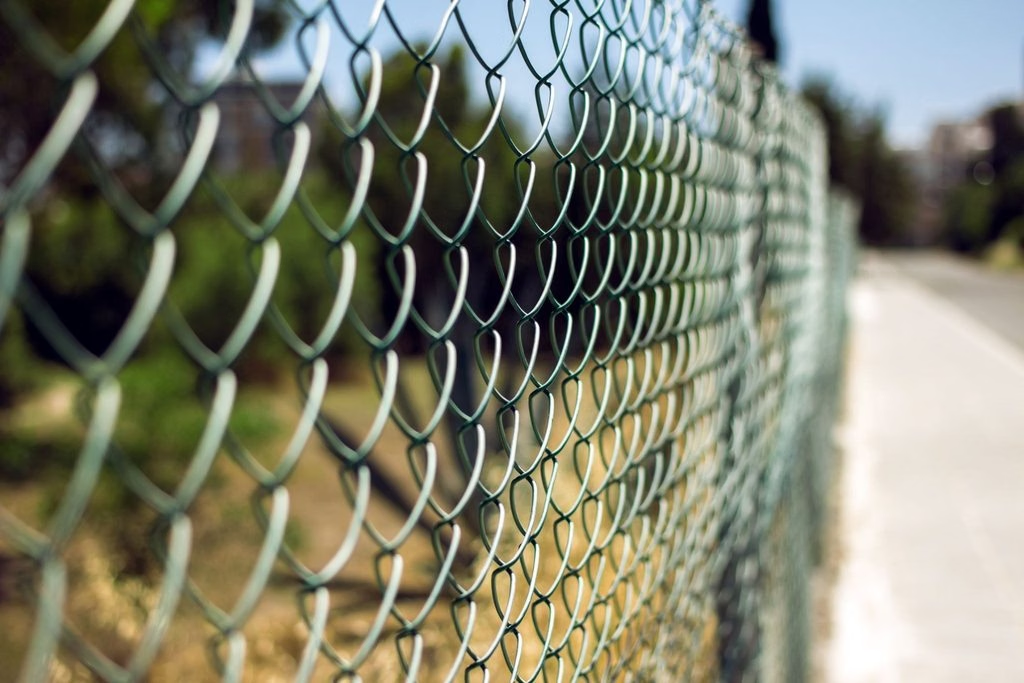
Easy access allows crews to move mesh, posts, concrete, and equipment efficiently. Narrow side yards can make material handling slower during residential fence installation. Steps, retaining walls, and landscaping may create additional movement challenges around the work area. Contractors might need smaller equipment when standard machinery cannot reach the fence line. Additional handling time can increase labor costs even when the fence design remains simple. Discussing access during the estimate helps homeowners receive a more realistic project price.
The mesh itself represents only one portion of a complete fencing system. Gates, privacy additions, coatings, and specialized hardware can change the overall project cost. Some upgrades improve everyday convenience enough to justify their added expense. Careful selection keeps useful features from turning an economical project into an unnecessarily costly one.
Every gate requires additional framing, hinges, latches, and installation work. A basic walk gate generally costs less than a wide driveway opening. Larger gates also need stronger posts and hardware to support the added weight. Homeowners should place gates where they genuinely improve movement around the property. Adding unnecessary entrances increases materials and creates more components that may need future adjustment. Thoughtful gate planning protects the budget without sacrificing practical yard access.
Standard chain link mesh provides security without blocking views between neighboring spaces. Homeowners wanting more screening can add privacy slats or compatible screening materials. Those additions increase material costs and can also affect wind resistance. Greater wind exposure may require stronger posts or other structural considerations. Landscaping offers another privacy option when homeowners prefer a softer visual boundary. Comparing these approaches helps families choose privacy improvements that fit their available budget.
Homeowners sometimes add colored coatings or decorative elements for a more finished look. These options can soften the industrial look associated with traditional galvanized fencing. However, every appearance-focused upgrade can push the project beyond its basic functional price. Decorative features make the most sense around visible areas where appearance matters considerably. Less visible boundaries may not need the same level of customization. Selective upgrades can boost curb appeal while keeping unnecessary spending in check.
Purchase price alone does not determine whether a residential fence remains affordable. Repairs, cleaning, refinishing, and replacement costs continue throughout the fence's service life. Chain link systems generally require modest routine care compared with several decorative alternatives. That lower maintenance burden can strengthen their value for budget-conscious property owners.
Most homeowners can remove dirt from metal mesh using water and a mild cleaner. Galvanized surfaces do not require the regular staining associated with many wooden fences. Owners should still inspect posts, connections, gates, and exposed metal periodically. Addressing loose fittings early can prevent small issues from becoming bigger repairs. Vegetation should also stay controlled around the fence to reduce moisture and physical pressure. Basic maintenance can therefore protect both appearance and structural performance without substantial annual spending.
Damage does not always require homeowners to replace an entire chain link fence. Contractors can often repair individual mesh areas, posts, rails, or gate components. Localized repairs can reduce material waste and keep restoration costs more manageable. Replacement needs depend on damage severity, corrosion, and the condition of surrounding components. Prompt repairs also help prevent loose sections from placing additional stress elsewhere. Repairability gives homeowners another financial advantage when comparing long-term fencing options.
A well-installed metal fence can serve a residential property for many years. Durable steel components tolerate ordinary outdoor exposure without frequent refinishing or surface treatments. Proper tension and secure posts also help the system withstand everyday residential use. Occasional repairs may still arise after impacts, weather damage, or extended exposure. However, routine care can delay the need for large-scale replacement. Longer service life spreads the original installation cost across more years of dependable performance.
A fence should solve your property needs without putting unnecessary pressure on your budget. Chain link fences offer homeowners a practical way to protect boundaries while controlling installation and upkeep costs. The right height, finish, and layout can deliver dependable performance without paying for features you do not need. Contact a trusted fencing contractor for a detailed estimate and start planning a cost-conscious installation today.
Get more informed before choosing your next fence. Browse the Irvine Fence Inc. blog for straightforward advice on fencing materials, maintenance, and installation.

