
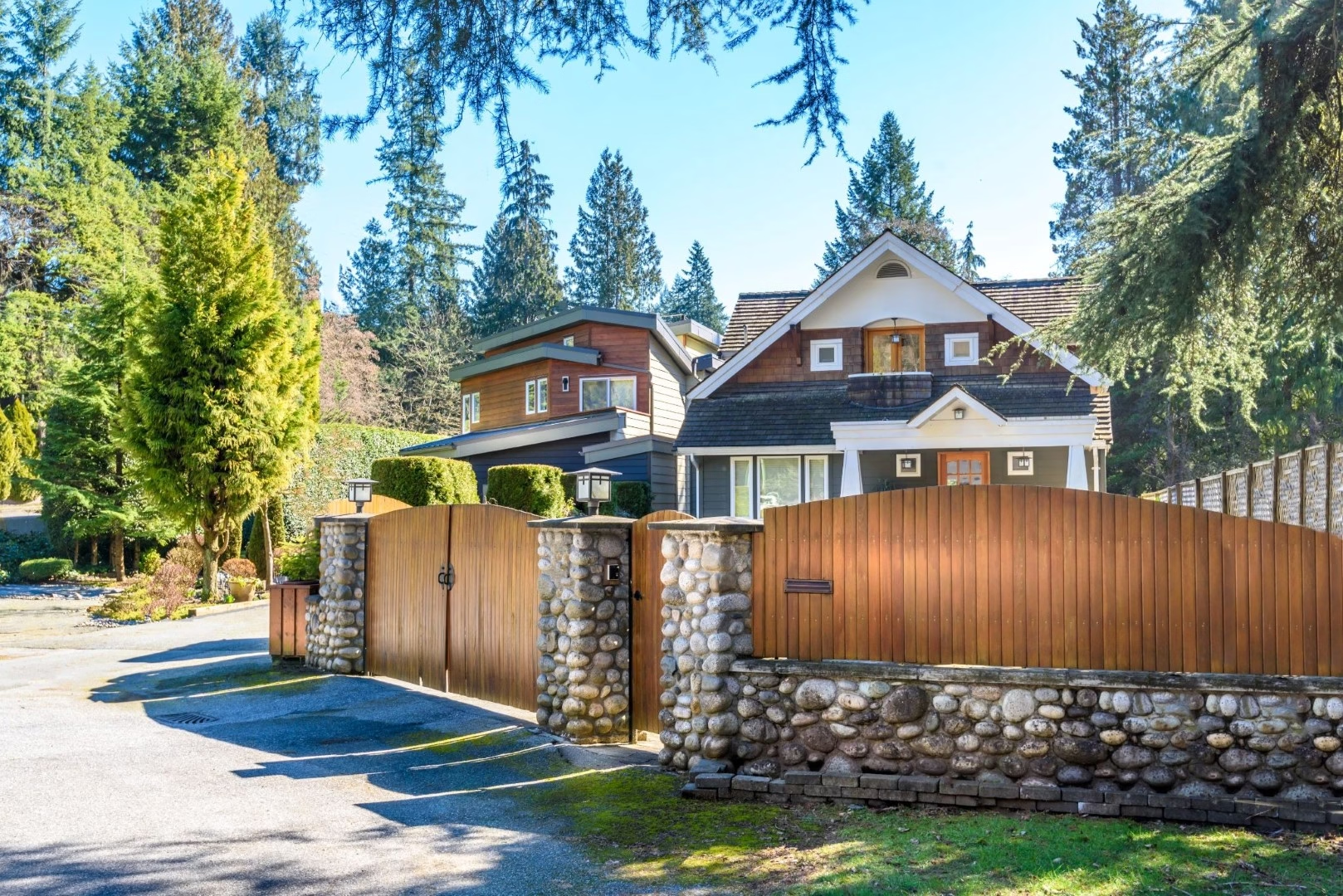
A good fence does more than mark a property's boundaries. It can provide privacy, improve security, support outdoor living, and complement the home's appearance. Wood remains a popular choice because it combines these practical benefits with a warm, natural look. Homeowners also have considerable freedom to choose the height, layout, finish, and privacy level they need. For many properties, wooden fence designs offer an appealing balance of function, customization, and long-term value.
Wood fencing gives homeowners more design freedom than many standardized fencing systems. Homeowners can arrange, cut, space, paint, or stain individual boards to suit the property. That flexibility makes wood useful for everything from decorative front boundaries to private backyard enclosures.
Most wood fences use posts, rails, boards or pickets, fasteners, and gates. Posts support the structure and help keep each fence section stable. Horizontal rails connect the posts and support the boards or pickets. The board arrangement then determines privacy, airflow, visibility, and much of the fence's appearance. Gates create practical access points for people, lawn equipment, and other outdoor needs. Together, these components form a system you can adjust for different homes and yards.
Wood fencing comes in several styles because not all homeowners need the same boundary. Privacy fences use closely positioned boards to reduce views into a yard. Picket fencing creates a more open boundary and often suits front yards or gardens. Shadowbox designs alternate boards across the rails, offering privacy with some airflow. Board-on-board fencing overlaps vertical boards to provide greater coverage as the wood naturally changes. Horizontal fencing provides another option for homeowners who prefer clean lines and a contemporary appearance.
Choosing a fence often comes down to how well it serves the property over time. Homeowners want a boundary that fits daily routines without compromising the home's exterior character. Wood meets these expectations through several practical and design advantages worth considering.
Homeowners often choose wood because its natural appearance feels comfortable around residential properties. Its grain, texture, and finish can complement landscaping while adding character to the home's exterior. These qualities give homeowners several ways to create a boundary that feels connected to their surroundings.
Wood blends comfortably with lawns, gardens, trees, patios, and planted borders. Its organic texture helps the boundary feel connected to the surrounding outdoor environment. Individual boards also show subtle grain variations that add character without making the design look inconsistent. Stain can highlight these natural patterns while coordinating with decks or other outdoor woodwork. Paint offers another option for matching trim, porches, or exterior details. Homeowners can therefore define their property without creating a boundary that feels visually disconnected.
Homeowners can select a wood style that supports the architecture rather than competing with it. Traditional properties often pair naturally with pickets, vertical boards, and understated decorative details. Contemporary homes may look better with horizontal boards and simpler profiles. Rustic properties can benefit from visible grain, natural finishes, and less formal styling. Board widths, spacing, post caps, and top details provide further opportunities for customization. These choices help homeowners create a consistent relationship between the fence and the home.
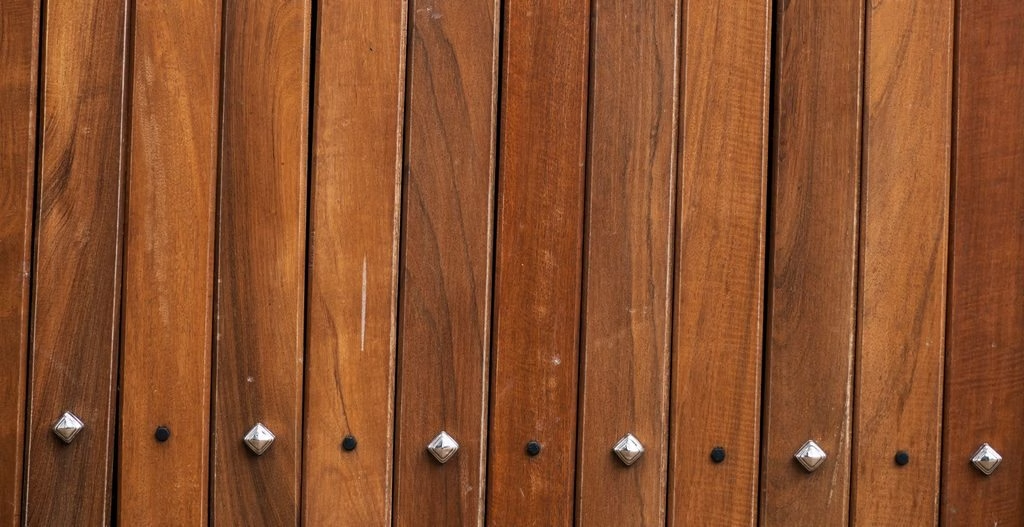
Wood appeals to homeowners who want more control over how their finished fence looks and functions. Individual components allow greater flexibility with height, spacing, board direction, finishes, and decorative features. That adaptability makes wood suitable for properties where standard designs may not meet every requirement.
Homeowners can adjust wood fencing according to privacy needs, architectural style, and personal preferences. Boards can be arranged vertically or horizontally to create noticeably different appearances. Spacing can provide an open design, partial screening, or greater privacy where needed. Paint and stain also give homeowners more freedom when coordinating exterior colors. Lattice, decorative tops, and distinctive post caps can add detail to selected areas. These options make it easier to create a fence that feels specific to the property.
Different areas around a home may require different levels of separation. Wood allows homeowners to choose solid, semi-private, or open configurations based on each area's purpose. Closely arranged boards can limit views around patios, pools, and backyard gathering spaces. Shadowbox or spaced-board designs can provide separation while allowing more light and airflow. Picket styles can define front yards without unnecessarily blocking views of the home. This range gives homeowners greater control over how enclosed each outdoor area feels.
Many homeowners want outdoor areas that feel separate from neighboring properties and nearby public spaces. Wood provides several ways to manage sightlines through board placement, height, and overall configuration. The appropriate design can create useful privacy while maintaining an attractive residential appearance.
Closely positioned boards can create a strong visual barrier around frequently used outdoor areas. This arrangement works especially well around backyards, patios, pools, and entertainment spaces. Taller panels may provide additional screening from sidewalks and neighboring ground-level areas. Homeowners should confirm applicable height and placement rules before finalizing dimensions. Decorative top sections can soften the appearance without sacrificing privacy across the main panels. Careful proportions keep the enclosure comfortable rather than making the yard feel unnecessarily confined.
Some homeowners want privacy without completely closing their yard from its surroundings. Semi-private styles can reduce direct views while allowing additional airflow and natural light. Shadowbox fencing achieves this effect by positioning boards on alternating sides of the rails. Lattice-topped sections can provide stronger screening below while keeping the upper area visually lighter. Spaced boards may also suit locations where homeowners need moderate separation instead of complete coverage. These configurations provide a useful middle ground between open fencing and solid privacy panels.
Homeowners often choose wood because residential lots rarely have identical layouts or ground conditions. Slopes, landscaping, patios, retaining walls, and access requirements can influence how a fence should run. Wood offers flexibility to adapt the installation to these existing property features.
Changing ground levels can make a uniform fence layout difficult. Wood fencing can accommodate slopes through stepped sections or boards adjusted to follow the grade. The better approach depends on the slope, chosen style, and desired level of privacy. Stepped sections keep fence panels level while shifting as the ground rises or falls. Other configurations can follow the terrain more closely for a smoother visual transition. A careful site evaluation helps prevent awkward gaps and inconsistent sections along uneven ground.
Trees, gardens, retaining walls, patios, and structures can affect where a fence should run. Individual wood sections can often accommodate these conditions more easily than rigid standard layouts. Accurate measurements help determine how the fence can work around existing property features. Drainage patterns and future landscaping growth should also influence placement decisions. Homeowners should consider how each section will affect movement and maintenance around the yard. Thoughtful planning helps the finished boundary look intentional rather than forced around obstacles.
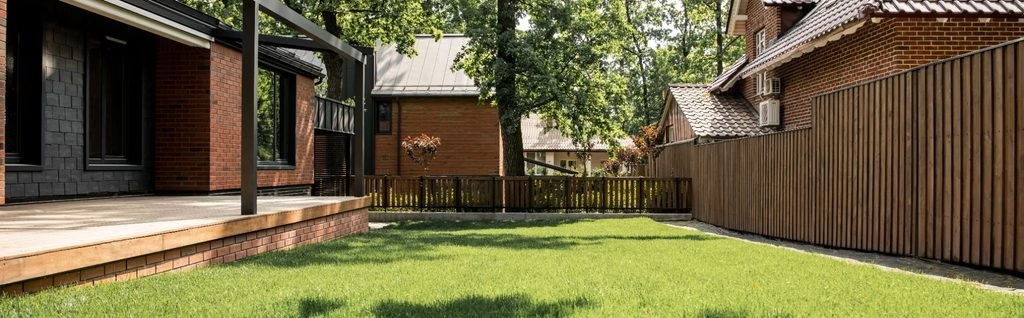
Homeowners need gates that support the way they move through their property each day. Side-yard entrances can provide convenient connections between driveways, backyards, patios, and garden areas. Wider gates may accommodate lawn mowers, wheelbarrows, bicycles, or other outdoor equipment. Gate location and width should therefore reflect regular household activities before construction begins. Strong hardware and proper support help the gate operate reliably with repeated use. Planning these details early makes the entire fence more convenient after installation.
Homeowners can choose among several wood types based on appearance, budget, availability, and maintenance preferences. Cedar, redwood, pine, and pressure-treated lumber each bring different characteristics to residential fencing. This variety helps homeowners choose materials that match their design goals and practical expectations.
Cedar appeals to many homeowners for its noticeable grain and warm, natural appearance. Its natural characteristics can also resist decay and certain outdoor conditions. However, exposure to sunlight and moisture will still change the wood's appearance over time. An appropriate stain or finish can help maintain the desired color and highlight the grain. Material grade and installation quality also influence how well a cedar fence performs. These qualities make cedar worth considering when appearance and natural wood characteristics are priorities.
Redwood stands out for its distinctive color and visible grain. It also contains natural characteristics that can help it resist decay and insect damage. Availability and cost may make it less practical for some residential fence projects. Some homeowners may therefore reserve redwood for prominent areas or smaller installations. Suitable finishing and moisture management can help maintain its appearance over time. Its color and character can appeal to homeowners who value visual detail.
Pressure-treated lumber can provide a practical option for homeowners balancing cost and outdoor performance. The treatment helps protect the material against decay, insects, and conditions that can damage untreated wood. Its initial appearance differs from cedar and redwood, but homeowners can often apply stain later. First, let the lumber dry according to the manufacturer's recommendations. Proper installation and drainage remain important because treatment cannot compensate for poor construction or constant moisture. For many properties, treated lumber offers a sensible combination of affordability, adaptability, and durability.
Many homeowners use fencing to create clearer boundaries around active outdoor spaces. Wood can help define areas used by children, pets, guests, and household activities. The right height, board spacing, gates, and construction methods should match how the yard is actually used.
A visible fence line separates private outdoor areas from neighboring properties and public spaces. Families may use that boundary to create more defined places for play or relaxation. Pet owners can select board spacing that reduces openings along the fence line. The appropriate fence height depends on household needs and applicable property requirements. Secure gates provide controlled access at the points people use most often. These design choices make outdoor spaces easier to manage without sacrificing their overall appearance.
A wood fence depends on more than attractive boards to perform well. Posts provide structural support, while rails connect sections and hold boards in position. Proper fasteners help components remain secure as wood responds to changing outdoor conditions. Gate posts need extra attention because repeated opening stresses the supporting structure. Accurate spacing and alignment also contribute to a cleaner finished appearance. Sound construction helps the fence continue serving its intended purpose through regular household use.
A fence becomes part of the home's exterior once it enters the property's main view. Its height, proportions, finish, and board pattern can influence how the home and landscaping appear together. Coordinating these details helps wood fencing look connected to the property rather than added without planning.
Front yard fencing often benefits from a lighter design than a fully enclosed backyard. Picket fences can define the property while preserving views of the home and landscaping. Moderate heights and appropriate spacing can keep walkways and entrances visually open. Gate placement can also guide visitors naturally toward the main path. Paint or stain can coordinate with porches, trim, shutters, or other exterior details. The result can establish a clear boundary without making the entrance feel unnecessarily closed.
Backyard fencing often surrounds patios, gardens, play spaces, and other frequently used areas. Privacy panels can create separation that makes these spaces more comfortable for everyday activities. Board direction and fence height can also influence how enclosed the yard feels. Homeowners may coordinate the finish with decks, pergolas, sheds, or other outdoor features. Well-positioned gates can connect entertainment areas with side yards or driveways. Treating the fence as part of the outdoor layout creates a more cohesive property design.
A well-planned fence should fit your property, lifestyle, and expectations from the start. Consider privacy, access, maintenance, and appearance before deciding which features deserve your investment. The right choices now can prevent inconvenient changes and unnecessary expenses later. Speak with a fence expert to create a design that works naturally with your home for years.
Planning a better fence starts with reliable information. Visit the Irvine Fence Inc. blog for practical fencing tips, design ideas, and homeowner resources.

